Wi‑Fi and Energy Savings: How Wireless Networks Make Homes More Energy‑Efficient

Wi‑Fi and Energy Savings: How Wireless Networks Make Homes More Energy‑Efficient
Wi‑Fi has become a standard feature in most British homes. We rely on it for everything from streaming and remote work to controlling lighting, heating, and security systems. But Wi‑Fi isn’t just about convenience – it can also play a key role in making your home more energy‑efficient. With the right setup and smart devices, your wireless network can help you save both electricity and money.
Smart homes need smart networks
A modern, energy‑efficient home is often a “smart home”, where devices communicate through Wi‑Fi. This includes thermostats, lights, appliances, and sensors. When these devices are connected, they can automatically adjust to your habits and reduce energy waste.
Take, for example, a smart thermostat that learns when you’re at home and adjusts the heating accordingly, or lights that switch off automatically when you leave a room. All of this happens through Wi‑Fi – without you having to lift a finger.
Læs også:
Wi‑Fi as the link in energy management
Wi‑Fi acts as the digital link between your devices and the apps that control them. This allows you to monitor and adjust your energy use in real time, wherever you are.
- Monitor consumption: Smart plugs and energy meters can show how much power your appliances use.
- Automate routines: You can schedule when devices turn on and off – for instance, ensuring the coffee machine only runs in the morning.
- Control remotely: If you forget to turn off the lights or heating, you can do it directly from your phone.
Having a clear overview of your energy use makes it easier to change habits and cut down on waste.
Wi‑Fi 6 and 6E – faster and more efficient
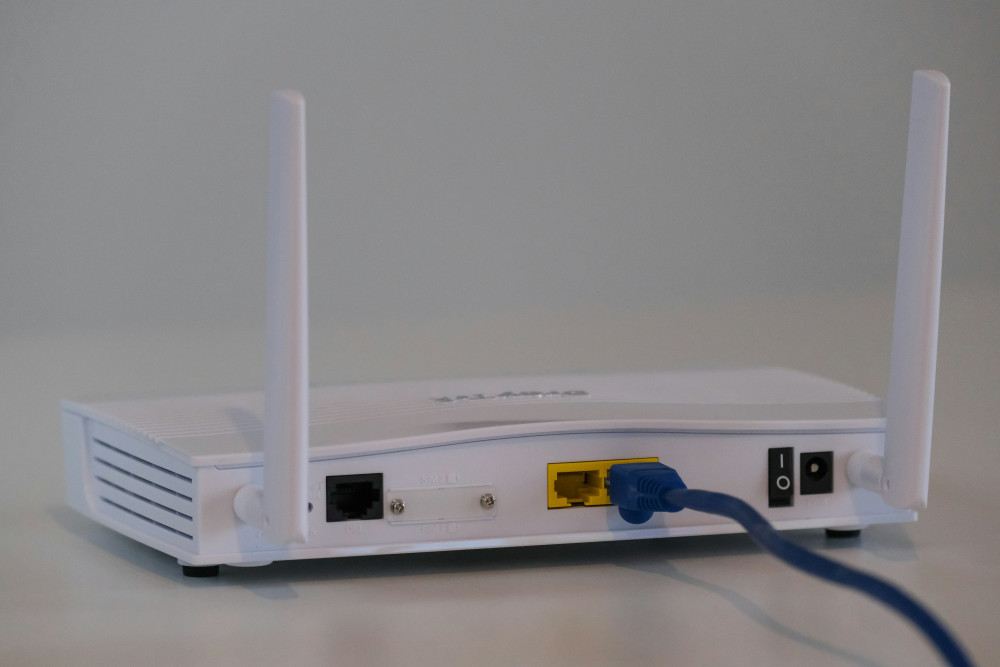
The latest Wi‑Fi standards, such as Wi‑Fi 6 and 6E, are not only faster but also more energy‑efficient. They use technologies like “Target Wake Time”, which allows devices to go into sleep mode when not transmitting data. This means battery‑powered sensors and gadgets last longer, and overall household energy use decreases.
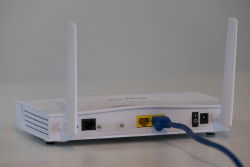
For homes with many connected devices, upgrading to a newer router can therefore be an investment that improves both coverage and energy efficiency.
Placement and setup matter
A stable Wi‑Fi signal isn’t just about speed – it also affects energy use. Devices that struggle to maintain a connection consume more power. You can save energy by optimising your network:
- Place your router centrally so the signal reaches every room.
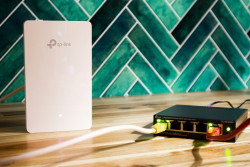
- Avoid hiding the router behind furniture or inside cupboards.
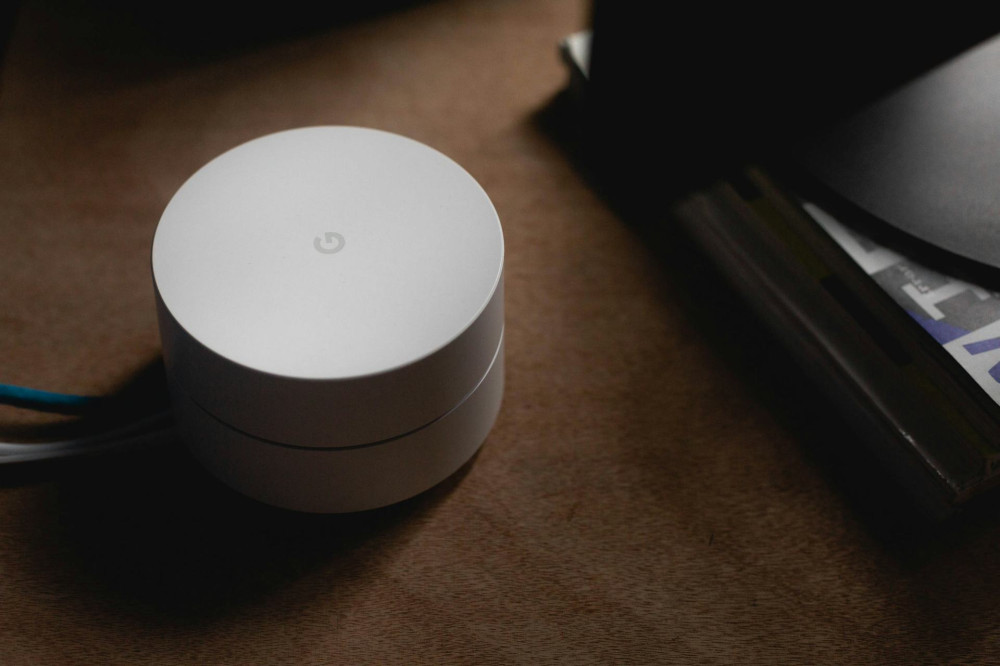
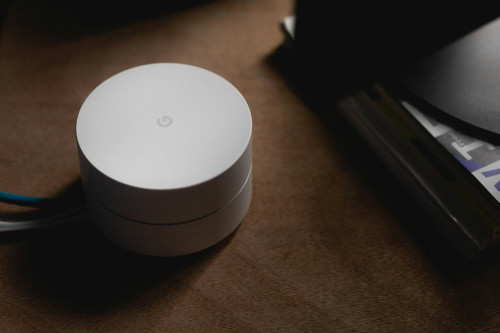
- Consider a mesh network if you live in a larger house, ensuring all devices have a strong connection.
A strong signal means both your router and devices work more efficiently – and use less energy.
Wi‑Fi and green energy – a powerful combination
Many UK energy suppliers now offer apps and systems that connect to your Wi‑Fi network. These allow you to track electricity prices and carbon intensity throughout the day, and let smart devices respond automatically. For example, your washing machine can run when electricity is cheapest and cleanest, or your electric car can charge overnight when demand on the grid is lower.
In this way, Wi‑Fi becomes more than just a convenience – it becomes an active part of the UK’s transition to cleaner, smarter energy use.
The future home is wireless and efficient
Technology is evolving quickly, and Wi‑Fi is playing an ever‑greater role in how we manage and consume energy. With more intelligent devices, improved network technology, and a growing focus on sustainability, wireless networks are becoming central to the energy‑saving homes of the future.
By combining strong network coverage, smart solutions, and mindful use, you can make your home more comfortable, more efficient, and more environmentally friendly – without compromising on speed or convenience.
Læs også: