Keep Your Network Equipment Up to Date – and Protect Your Home Network from Outages and Security Risks

Keep Your Network Equipment Up to Date – and Protect Your Home Network from Outages and Security Risks
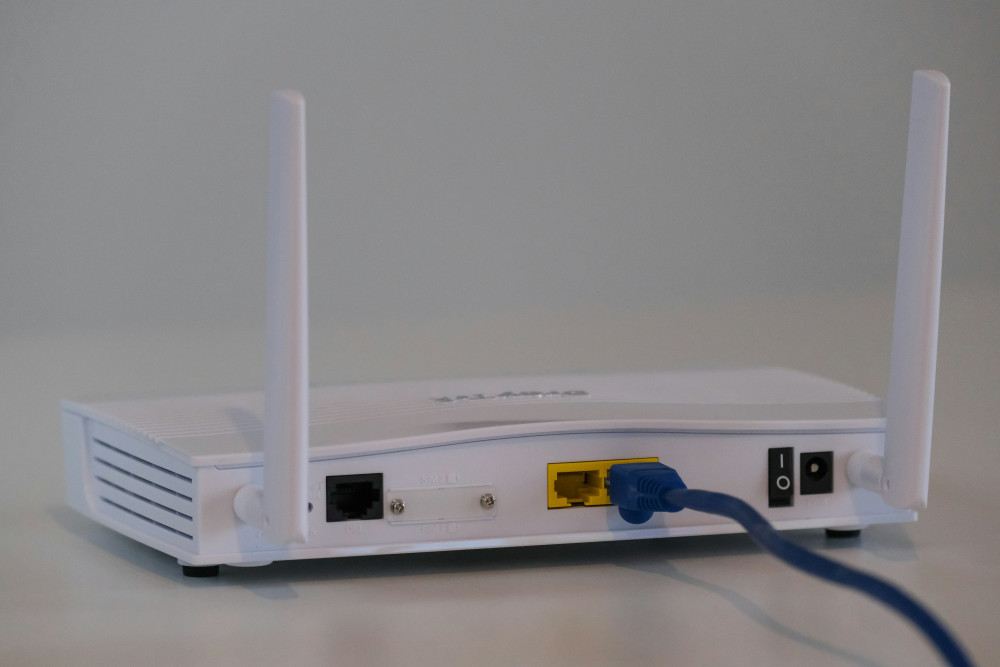
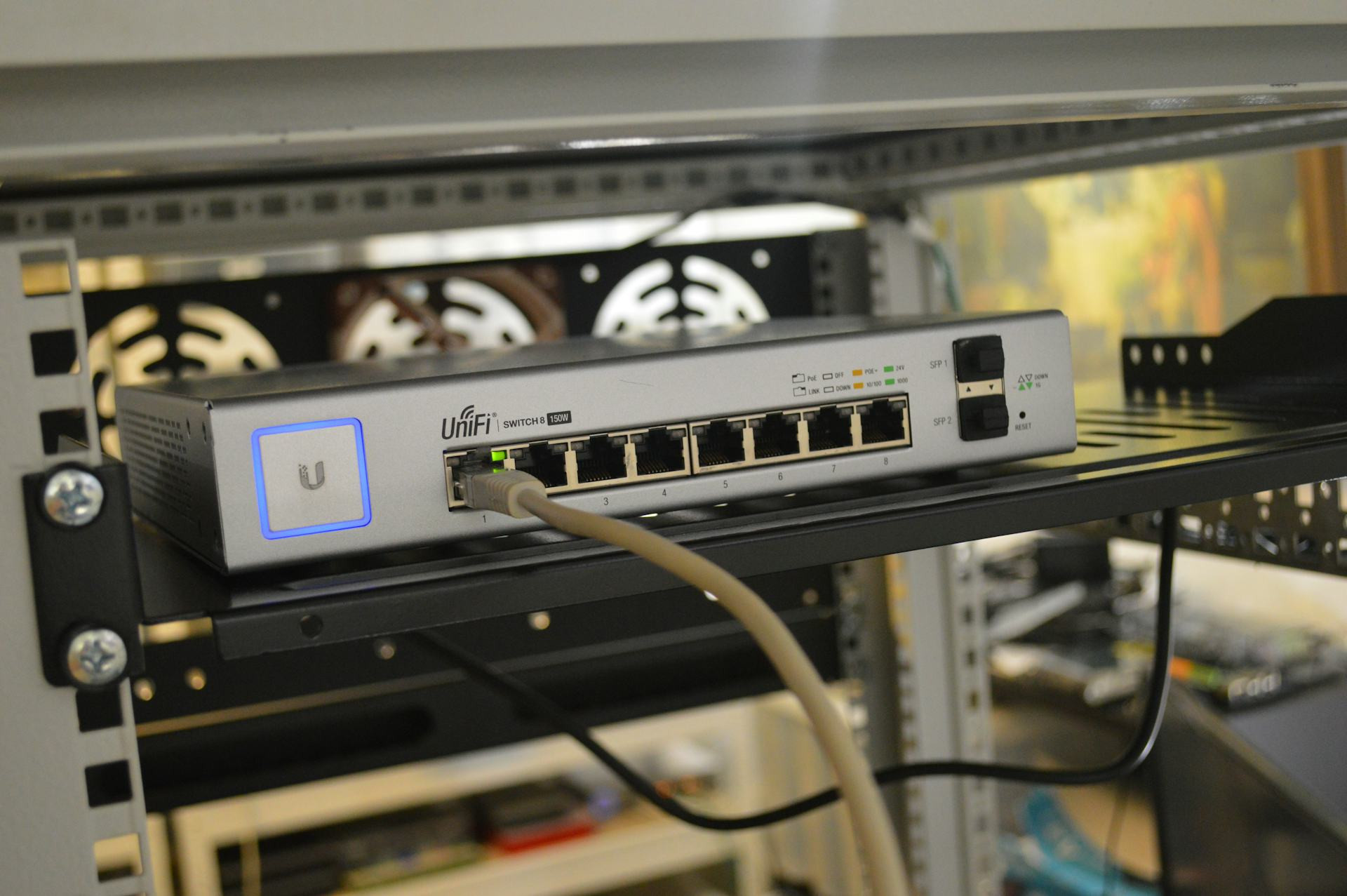
In a world where nearly every device in the home connects to the internet – from laptops and smartphones to smart TVs, speakers, and security cameras – a stable and secure network has become essential. Yet many people forget that network equipment such as routers and mesh systems need maintenance and updates, just like computers and phones do. Without regular updates, you risk both poorer performance and increased vulnerability to cyberattacks. Here’s a guide to keeping your network equipment up to date and your home network protected.
Why Updates Matter
Routers and other network devices run on software known as firmware, which controls how the device operates. Manufacturers regularly release updates to fix bugs, improve stability, and close security loopholes. If you don’t install these updates, your equipment can become an easy target for cybercriminals exploiting known weaknesses.
Firmware updates can also improve the speed and range of your wireless network. Many newer versions optimise signal strength, channel selection, and support for the latest standards such as Wi-Fi 6 and 6E. That means you’ll enjoy a faster, more reliable, and more secure connection.
Læs også:
How to Check if Your Router Is Up to Date
Most modern routers can update automatically, but it’s still a good idea to check manually a few times a year. The process varies slightly between manufacturers, but generally follows these steps:
- Log in to your router’s admin page – usually via a web address (such as 192.168.0.1) or through the manufacturer’s app.
- Find the firmware or system update section.
- Check for available updates and install them.
- Restart the router once the update is complete.
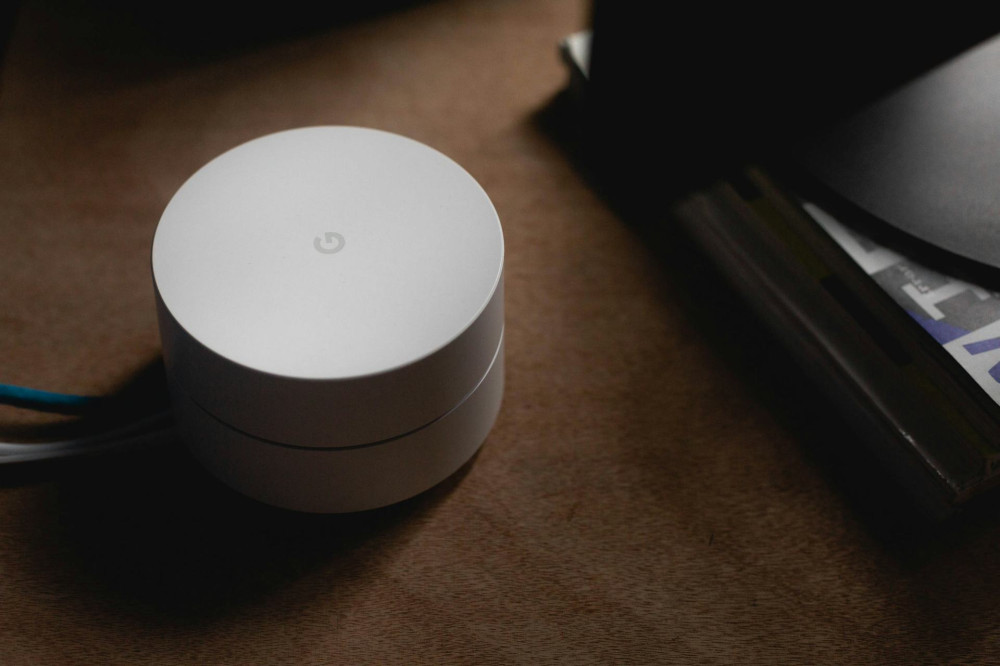
If you use a mesh network, updates often happen automatically in the background, but you can still check the status in the app.
Change Default Settings – and Use Strong Passwords
One of the most common security oversights is leaving the router on its factory settings. Default usernames and passwords are often publicly known and can easily be exploited by hackers.
- Always change the administrator password to something unique and strong.
- Use WPA3 encryption (or WPA2 if WPA3 isn’t supported) for your wireless network.
- Create separate networks – for example, a guest network for visitors and smart devices, so they don’t have access to your personal files.
These simple steps can make a big difference to your home network’s security.
Keep an Eye on Ageing Equipment
Even the best router becomes outdated over time. Manufacturers typically stop releasing updates after four to six years, leaving older devices increasingly vulnerable. If your router is older than that, it may be time to replace it.
Newer models not only support faster Wi-Fi standards but also include better security features such as automatic updates, built-in firewalls, and tools to monitor network traffic. Upgrading can be an investment that improves both your security and your internet experience.
Prevent Network Outages
Updates aren’t just about security – they can also prevent connection drops and instability. A router running outdated firmware may have bugs that cause slow speeds or frequent disconnections.
You can also take a few simple steps to keep your network stable:
- Place the router centrally in your home and away from obstructions.
- Avoid overloading the network by disconnecting devices you’re not using.
- Restart the router occasionally – this can fix temporary issues and free up memory.
A well-maintained network doesn’t require much effort, but a little attention can save you a lot of frustration.
Make It a Habit
Keeping your network equipment up to date should be a regular part of your digital routine – just like updating your computer or smartphone. Set a reminder in your calendar a couple of times a year to check that everything is running smoothly.
By combining regular updates with good security habits, you can protect your data and privacy – and ensure your home network stays fast, stable, and secure for years to come.
Læs også: