What Do Speed, Bandwidth and Latency Really Mean for Your Home Internet Connection?

What Do Speed, Bandwidth and Latency Really Mean for Your Home Internet Connection?
When your internet starts acting up, it’s easy to blame “slow speed”. But in reality, several factors influence how your connection feels day to day. Terms like speed, bandwidth and latency are often used interchangeably – yet they describe different aspects of your connection that each affect how smoothly you can stream, game or work from home. Here’s what they actually mean, and how understanding them can help you get the best out of your broadband.
Speed – how fast data moves
When you sign up for broadband, the big numbers in the adverts usually refer to speed – for example, 500 Mbps download and 100 Mbps upload. This figure shows how many megabits of data your connection can transfer per second – essentially, how quickly you can receive and send information.
- Download speed matters when you’re streaming films, browsing the web or downloading files.
- Upload speed is important when you’re sending data – for example, during video calls, uploading photos or playing online games.
The higher the speed, the more data you can move in a short time. But that doesn’t always mean everything will feel faster in practice – because bandwidth and latency also play a part.
Bandwidth – how much capacity your connection has
Bandwidth is about capacity. Think of it as the width of a motorway: the wider it is, the more cars (data) can travel side by side without causing a jam. If several people in your household are online at once – someone streaming, another gaming, others on video calls – limited bandwidth can make the connection feel sluggish, even if your speed is technically high.
A higher bandwidth allows more devices to use the internet simultaneously without interfering with each other. That’s especially important in modern homes, where everything from TVs and tablets to smart speakers and security cameras is connected.
Latency – how quickly your connection responds
Latency, sometimes called delay or ping, measures how long it takes for a signal to travel from your device to a server and back again. It’s measured in milliseconds (ms). The lower the latency, the faster your connection responds.
For most everyday activities – like watching films or reading the news – latency doesn’t matter much. But in situations where timing is crucial, such as online gaming, video conferencing or remote work on company servers, even small delays can be noticeable. Low latency gives a more immediate, responsive experience.
How the three work together
Although speed, bandwidth and latency describe different aspects of your connection, they’re closely linked. A good internet experience depends on a balance between them:
- High speed ensures you can transfer large amounts of data quickly.
- Generous bandwidth allows multiple users and devices to stay connected without slowdowns.
- Low latency provides quick response times and stability for real‑time activities.
If you’re having issues, it’s worth testing all three – not just speed. Many UK broadband providers offer online speed tests that also show ping and upload/download results.
What affects your internet performance?
Even with a fast package, your experience can vary. Several factors can influence performance:
- Wi‑Fi signal strength – walls, distance and interference can weaken the signal.
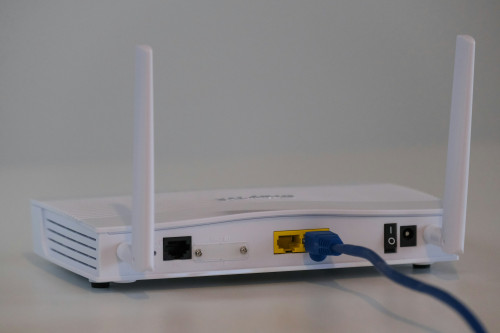
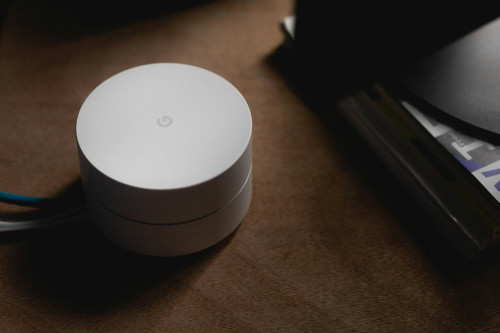
- Router quality and placement – older routers may not support modern speeds.
- Network congestion – heavy use in your household or local area can cause slowdowns, especially at peak times.
- Cables and equipment – fibre, coaxial and copper lines have different characteristics, and poor‑quality cables can limit performance.
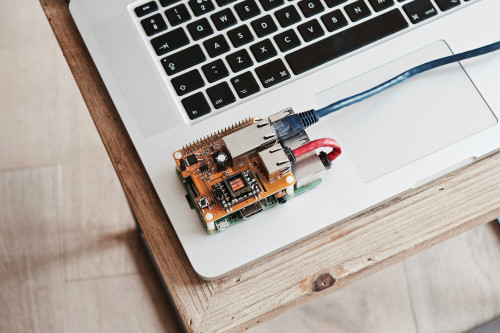
It’s often worth testing your connection both wirelessly and via an Ethernet cable to pinpoint where the problem lies.
Getting the most from your connection
To optimise your home internet, consider the following:
- Place your router centrally and away from obstructions.
- Upgrade your equipment – a modern router can make a big difference.
- Use wired connections for devices where stability matters, such as desktop PCs or gaming consoles.
- Check your plan – if your household has grown or your needs have changed, it might be time to upgrade.
- Consider full fibre – if available in your area, fibre broadband typically offers higher speeds, lower latency and greater reliability than older technologies.
Læs også:
An internet connection that fits your lifestyle
Ultimately, it’s not just about the numbers on your contract – it’s about how your connection performs in everyday life. For some, the priority is smooth streaming on Netflix. For others, it’s glitch‑free video meetings or instant response in online games. By understanding the difference between speed, bandwidth and latency, you can make more informed choices – and ensure your home internet truly meets your needs.
Læs også: