Unlock blazing speeds now: Your step-by-step guide to fiber networks

Unlock blazing speeds now: Your step-by-step guide to fiber networks
In today’s fast-paced digital world, having a reliable and high-speed internet connection is essential. Fiber networks stand out as a premier solution, offering impressive speeds and reliability. This guide will walk you through understanding fiber networks, the benefits they offer, and how to get started with one in your home or business.
What Are Fiber Networks?
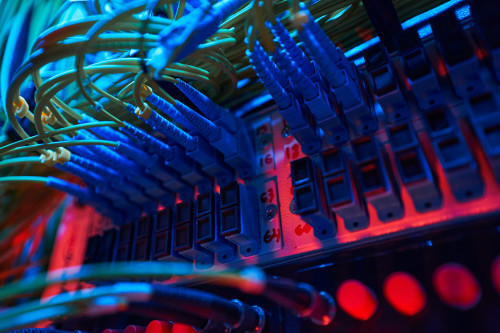
Fiber networks use fiber optic cables to transmit data as light signals. Unlike traditional copper cables, fiber optics allow for faster data transmission over longer distances without degradation. This technology is revolutionizing connectivity by enabling blazing-fast internet speeds, making it ideal for activities such as gaming, streaming, and video conferencing.
Benefits of Fiber Networks
Fiber networks come with several advantages that set them apart from other types of internet connections:
- Speed: Fiber connections can deliver download speeds exceeding 1 Gbps, ensuring fast browsing, streaming, and gaming experiences.
- Reliability: Fiber networks are less susceptible to interference and outages, providing a stable connection even during peak usage times.
- Symmetrical Speeds: Unlike many DSL or cable connections, fiber offers symmetrical upload and download speeds, perfect for content creators and remote workers.
- Future-Proof: As technology evolves, fiber networks are ready to meet the demands of increased bandwidth usage.
Choosing a Fiber Provider
To kick off your journey to fiber internet, it’s essential to choose the right service provider. Begin by researching local options. Not all regions have access to fiber connections, so check availability first.
When evaluating providers, consider:
- Pricing: Compare plans to find the best value for your needs.
- Contract Terms: Look for flexibility with contract lengths and cancellation policies.
- Customer Reviews: Read feedback from current and past customers for insights on service quality.
Setting Up Your Fiber Network
Once you’ve selected a provider, the installation process can begin. Here’s a step-by-step approach:
- Schedule an Installation: Contact your chosen provider to set up an appointment for installation.
- Prepare Your Space: Ensure that your home or office has access points for cable routing, such as through walls or ceilings.
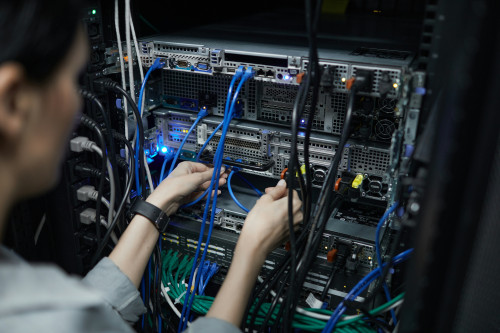
- Installation Day: A technician will arrive to install the necessary equipment, which typically includes an ONT (Optical Network Terminal) that connects the fiber line to your local network.
- Connect Your Devices: Once the installation is complete, connect your router and devices to the ONT. Enjoy browsing the internet with your new high-speed connection!
Maximizing Your Fiber Internet Experience
After setting up your fiber network, there are several tips to ensure you maximize its performance:
- Use a High-Quality Router: Invest in a router that can handle gigabit speeds to fully utilize your fiber connection.
- Place Your Router Strategically: Position your router in a central location in your home for better Wi-Fi coverage.
- Secure Your Network: Set a strong password to protect your network from unauthorized users.
- Monitor Usage: Use tools to track bandwidth usage and prioritize devices to ensure optimal speeds across your household.
Common Misconceptions About Fiber Networks
Despite its many advantages, several misconceptions about fiber networks exist:
- Fiber is Only for Big Businesses: While fiber was initially popular among businesses, residential options are widely available now.
- Installation is Complicated: Most installations are straightforward, requiring minimal disruption to your property.
- Fiber is Too Expensive: While prices can vary, many providers offer competitive plans that are comparable to DSL or cable options.
With advancements in technology and increasing competition among service providers, fiber networks are becoming accessible and affordable for many households. Moving towards fiber means investing in a future-ready solution that delivers unmatched performance. Whether you’re a casual user or a heavy internet consumer, fiber networks have something to offer, ensuring you stay connected at blazing speeds.