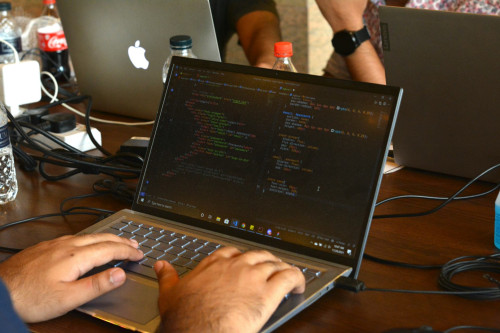
How to choose the right computer equipment for your IT projects

How to choose the right computer equipment for your IT projects
In todays fast-paced technological landscape, selecting the right computer equipment for your IT projects can make or break the success of your endeavors. Whether youre a small startup or a large corporation, having the right tools ensures efficiency, productivity, and ultimately, success. This article will guide you through the critical considerations when choosing computer equipment tailored for your IT projects.
1. Assess Your Project Requirements
The first step in choosing the right computer equipment is to understand the specific requirements of your IT projects. Are you working on software development, graphic design, or perhaps data analysis? Each project type has different hardware and software needs.
For software development, a powerful CPU, ample RAM, and a fast SSD are crucial. If your projects involve graphic design or video editing, a dedicated graphics card becomes essential. Start by outlining your project requirements, and youll be better equipped to select the appropriate equipment.
2. Determine Your Budget
Your budget significantly influences the types of computer equipment you can consider. High-end workstations and servers can be quite expensive, so its vital to establish a budget before making any decisions.
However, keep in mind that the cheapest option may not always be the best choice. Invest in quality equipment that meets your needs and ensures longevity. Remember to factor in costs for software licenses and maintenance as well.
3. Research Hardware Options
Once you have a budget in mind, start researching the hardware options available. Here are some key components to consider:
- Processor (CPU): The CPU is the brain of your computer. Look for a processor with multiple cores and high clock speeds for optimal performance.
- Memory (RAM): Depending on your projects, a minimum of 16GB is recommended. For larger projects, 32GB or more may be necessary.
- Storage: Consider a combination of SSDs for faster data access and HDDs for larger storage capacity.
- Graphics Card (GPU): If your work involves graphics, choose a dedicated GPU that can handle high-resolution tasks.
- Motherboard: Ensure the motherboard you choose is compatible with your selected CPU, RAM, and other components.
4. Consider Peripheral Devices
While the main computer components are vital, dont overlook the importance of peripheral devices. Keyboards, mice, monitors, and printers can directly impact your work efficiency.
Choose a monitor that suits your needs; larger resolutions provide more workspace but may come at a higher cost. Ergonomic keyboards and mice can also enhance comfort, especially during long hours of work.
5. Evaluate Operating Systems and Software
The operating system plays a vital role in the compatibility and usability of your computer equipment. Decide whether you will be using Windows, macOS, or a Linux distribution, as this choice can affect software availability and performance.
Also, consider the software tools you need for your projects. Make sure your chosen operating system supports these applications. Some software may only run efficiently on specific systems, so verifying compatibility is crucial at this stage.
6. Future-Proofing Your Equipment
Investing in computer equipment that can adapt to future needs is wise. Technology evolves rapidly, and you want to ensure your setup can handle growth or changes in your projects.
Look for equipment that allows for upgrades, such as additional RAM slots or storage capabilities. Choosing modular or scalable hardware can save you time and money in the long run, making sure your equipment remains relevant for years to come.
7. Seek Expert Advice
If youre unsure about making the right decisions, do not hesitate to seek expert advice. Consult with IT specialists or equipment vendors who can provide insights into the best possible configurations for your project needs.
Making informed choices is essential, and expert opinions can provide clarity and confidence in your selections. Additionally, engaging with user reviews and community forums can also help you gauge equipment performance and satisfaction levels.
By following these guidelines, you can ensure that you select the best computer equipment for your IT projects, setting a solid foundation for success in your technology endeavors.