From clunky boxes to sleek machines: how computers revolutionized work
From clunky boxes to sleek machines: how computers revolutionized work
The Dawn of Computing
Computers have evolved at an unimaginable pace since their inception. The early models, often referred to as “clunky boxes,” dominated office spaces in the mid-20th century. These machines were bulky and cumbersome, designed for processing vast amounts of data but lacking in user-friendly features.
Today, we see sleek, powerful computers that fit in the palm of our hands. This transformation is rooted in innovation and the ever-growing demand for efficiency in the workplace. Understanding this evolution is crucial to appreciating how computers have revolutionized work.
Early Work Environments
In the early years of computing, businesses relied heavily on typewriters and filing cabinets. With the introduction of the first computers, like the ENIAC and UNIVAC, the landscape began to shift dramatically. These machines were primarily used for calculations and data processing, significantly reducing the time required for tasks that once consumed entire teams.
Despite their size and complexity, these early machines paved the way for future innovations. Offices began integrating computers to manage payroll, inventory, and communication, marking the beginning of a new era.
The Shift to Personal Computing
The 1980s saw the introduction of personal computers, bringing technology into individual offices and homes. Machines became more accessible and affordable, allowing employees to perform various tasks from their desks. Companies like Apple and IBM played pivotal roles in promoting this shift.
With software advancements, people could create documents, spreadsheets, and presentations with ease. This newfound efficiency not only streamlined operations but also sparked a significant cultural shift in how we approached work. The computer became an essential tool for creativity and productivity, fostering collaboration and communication.
The Internet Revolution
The proliferation of the internet in the 1990s marked another watershed moment in the evolution of computers. Suddenly, communication expanded beyond physical boundaries. Email replaced memos while browsers enabled instant access to information.
The integration of the internet into the workplace created new job roles, from web developers to digital marketers. Remote work began to gain traction, allowing employees to work from virtually anywhere. Businesses that embraced this change enjoyed enhanced flexibility and access to a global talent pool.
Advancements in Technology
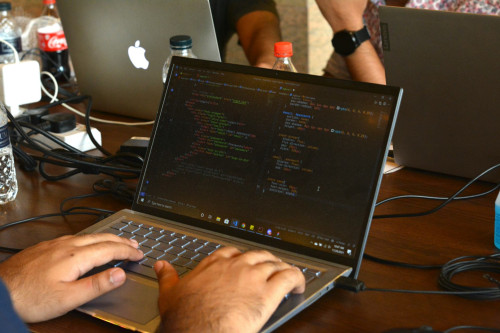
As technology progressed into the 21st century, computers became more powerful and compact. Laptops emerged as a convenient alternative to desktop machines, facilitating work on the go. Tablets and smartphones further changed how we navigate our daily tasks, making computing even more portable.
Artificial intelligence (AI) and cloud computing have taken innovation even further. These technologies automate routine tasks and enhance decision-making processes. Businesses use AI for data analysis, customer service, and personalized marketing, revolutionizing workflow and efficiency.
The Rise of Remote Work
The COVID-19 pandemic accelerated the adoption of remote work. With advanced communication tools like Zoom and Slack, organizations rapidly adjusted to a remote work model. Employees learned to collaborate in digital spaces, relying on technology to bridge the distance.
Companies began to recognize the advantages of this model. Flexibility in work hours and location often leads to increased productivity and employee satisfaction. The reliance on computers transformed traditional office dynamics, reshaping how teams interact and perform tasks.
Future Outlook
As we look toward the future, the role of computers in work will undoubtedly continue to evolve. Emerging technologies like virtual reality (VR) and augmented reality (AR) present new opportunities for immersive collaboration and training. The integration of 5G technology will enhance connectivity, enabling real-time communication and information sharing.
Moreover, the ethical implications of technology will be increasingly critical. As computers become more integrated into daily workflows, issues like data privacy and cybersecurity must be addressed to ensure a secure working environment.
The journey from clunky boxes to sleek machines signifies more than just technological advancement; it reflects a profound shift in how we approach work. As computers become even more integrated into our professional lives, their impact will only deepen, influencing how we think, communicate, and collaborate in the workplace.