When the Game Gets Tough: How to Stay Calm and Learn from Your Defeats

When the Game Gets Tough: How to Stay Calm and Learn from Your Defeats
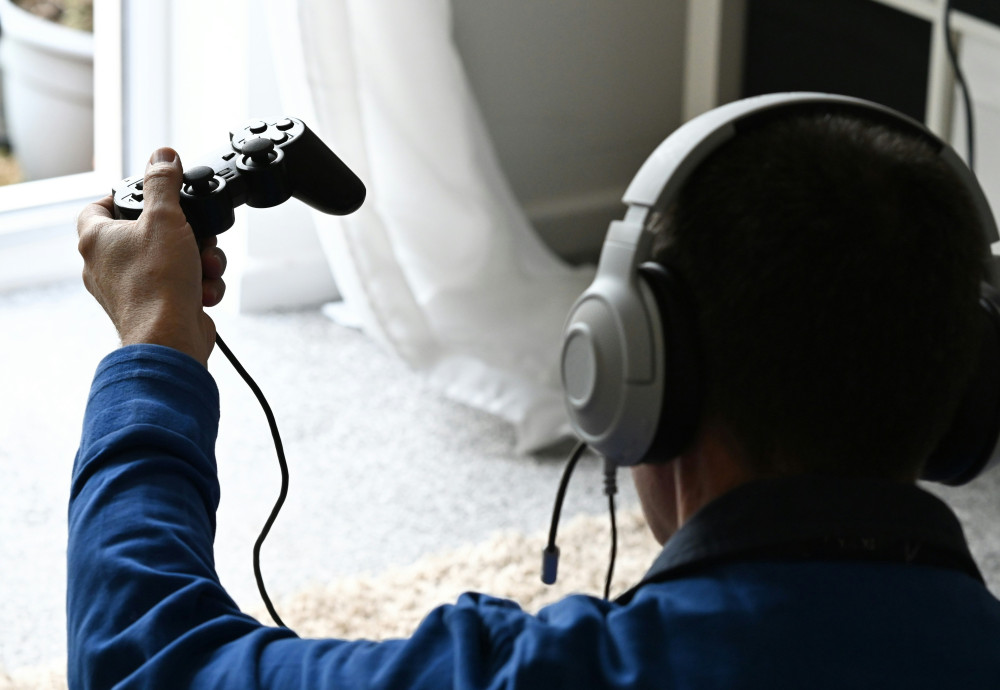
Every gamer knows the feeling: the match is close, victory is within reach – and then, in a split second, it slips away. The screen flashes “Defeat”, and your heart rate spikes. It’s in those moments, when the game gets tough, that your patience is truly tested. But that’s also where one of gaming’s greatest strengths lies: the ability to learn from mistakes, stay calm, and come back stronger.
When frustration takes over
It’s completely natural to feel frustrated when you lose. Games are designed to challenge us – and sometimes to push our buttons. Whether it’s a ranked match where your opponent seems unbeatable, or a single-player level you’ve tried to clear for the tenth time, defeat can feel personal.
But frustration isn’t a sign of weakness. It’s a sign that you care. That drive to succeed is exactly what helps you improve as a player. The key is how you handle that emotion.
Step away – give your mind a break
When you feel irritation rising, the best thing you can do is step away from the screen. A short break can work wonders. Stretch your legs, grab a drink, or do something completely different for ten or fifteen minutes. It gives your brain time to reset and process what just happened.
Research into focus and learning shows that breaks actually improve performance. When you return, you often see the situation with fresh eyes – and maybe spot a strategy you missed before.
Learn from your mistakes – like the pros do
Most professional gamers and esports players treat defeat as a learning tool. They watch replays, analyse their decisions, and look for patterns in their mistakes. It’s an approach you can use too, no matter what you play.
Ask yourself:
- What went wrong in that situation?
- What could I have done differently?
- Was it timing, strategy, or concentration that failed?
By shifting your focus from “I lost” to “I learned something”, you change the whole experience. A defeat stops being a setback and becomes a step towards improvement.
Build a healthy gaming routine
Gaming should be fun – even when it’s challenging. If you notice that playing starts to affect your mood negatively, it might be time to adjust your habits. Keep a balance between gaming and other activities, and play with people who create a positive atmosphere.
Setting small, realistic goals can also help. Instead of focusing solely on winning every match, aim to improve a specific skill – like your accuracy, teamwork, or map awareness. That way, you can celebrate progress even when the scoreboard doesn’t go your way.
Talk about it – and share the experience
Many players find it helpful to talk about their frustrations with others. It could be friends you play with, or online communities where people share experiences and advice. Hearing that others face the same struggles can make it easier to accept your own setbacks.
You can also learn a lot by watching how others handle defeat. Some streamers and professional players are open about their mistakes and show how they work through them. It’s a good reminder that even the best lose sometimes – but they keep going.
Læs også:


Remember why you play
In the chase for wins and rankings, it’s easy to forget why you started playing in the first place: because it’s fun, exciting, and challenging. When the game gets tough, try to reconnect with that sense of enjoyment – the thrill of learning, experimenting, and improving.
Staying calm isn’t about suppressing your emotions; it’s about using them constructively. Every time you lose your patience, you have a chance to practise finding it again. And that’s a skill that goes far beyond gaming – it’s one that can help you in everyday life too.
Læs også: