Community and Competition: How Gaming Platforms Bring Players Together

Community and Competition: How Gaming Platforms Bring Players Together
Gaming today is far more than a pastime. It has become a global community where millions of players meet, compete, and collaborate across borders. Modern gaming platforms have made it easier than ever to find like-minded people, form teams, and share experiences – but they have also created new forms of competition and social dynamics. How do these platforms balance community and rivalry, and what does that mean for players in the UK and beyond?
From Living Room to Global Network
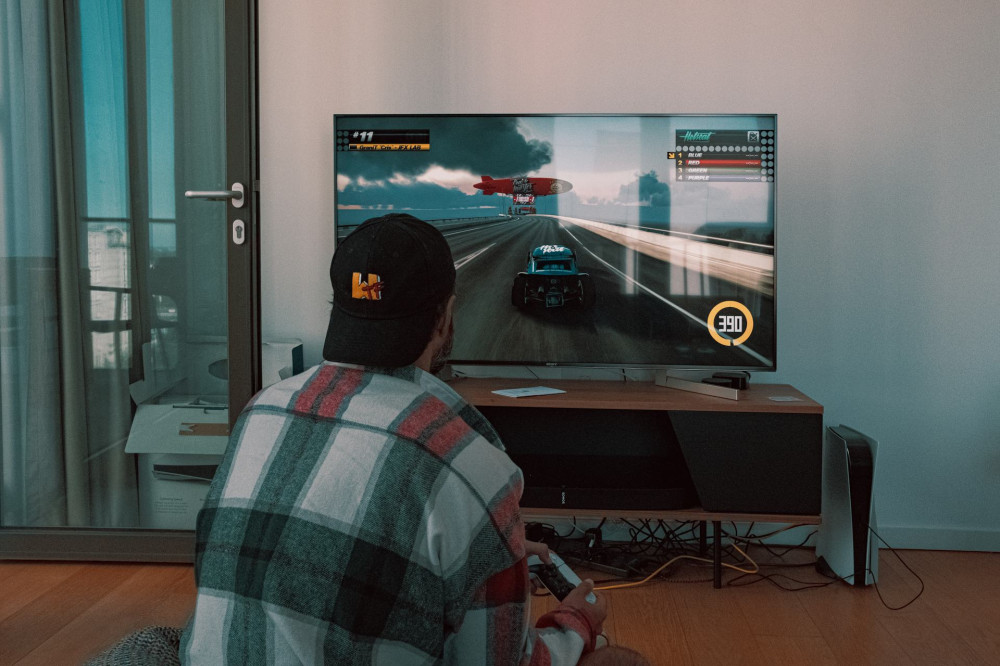
A few decades ago, gaming was often a local experience – you played with friends in the same room or against the computer. Today, it’s a digital arena connecting players from every corner of the world. Platforms such as Steam, PlayStation Network, Xbox Live, and Epic Games Store are not just marketplaces for games; they are social networks with chat functions, groups, events, and shared achievements.
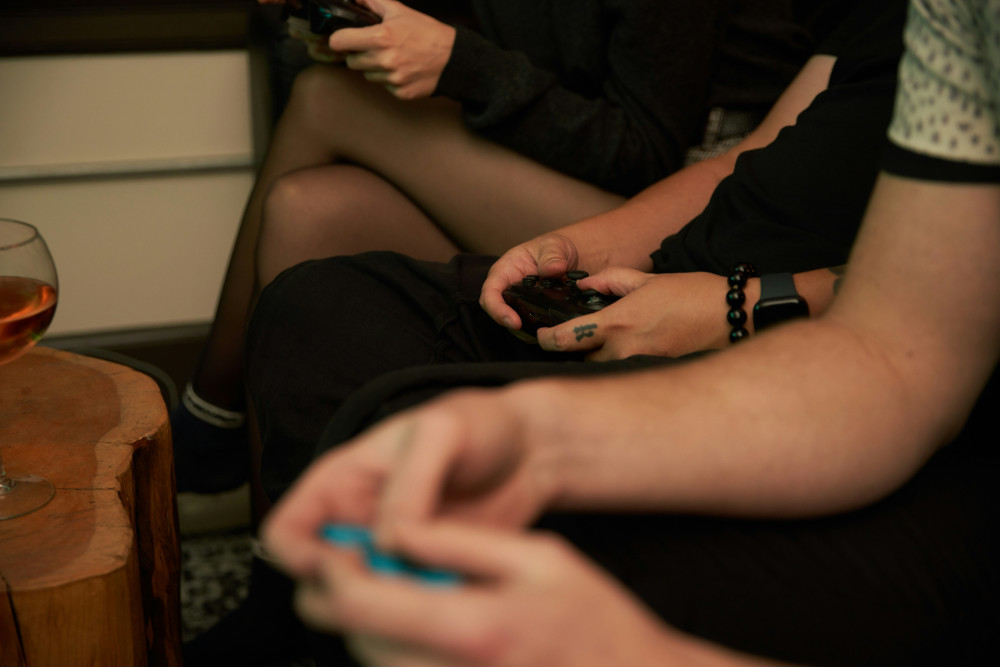
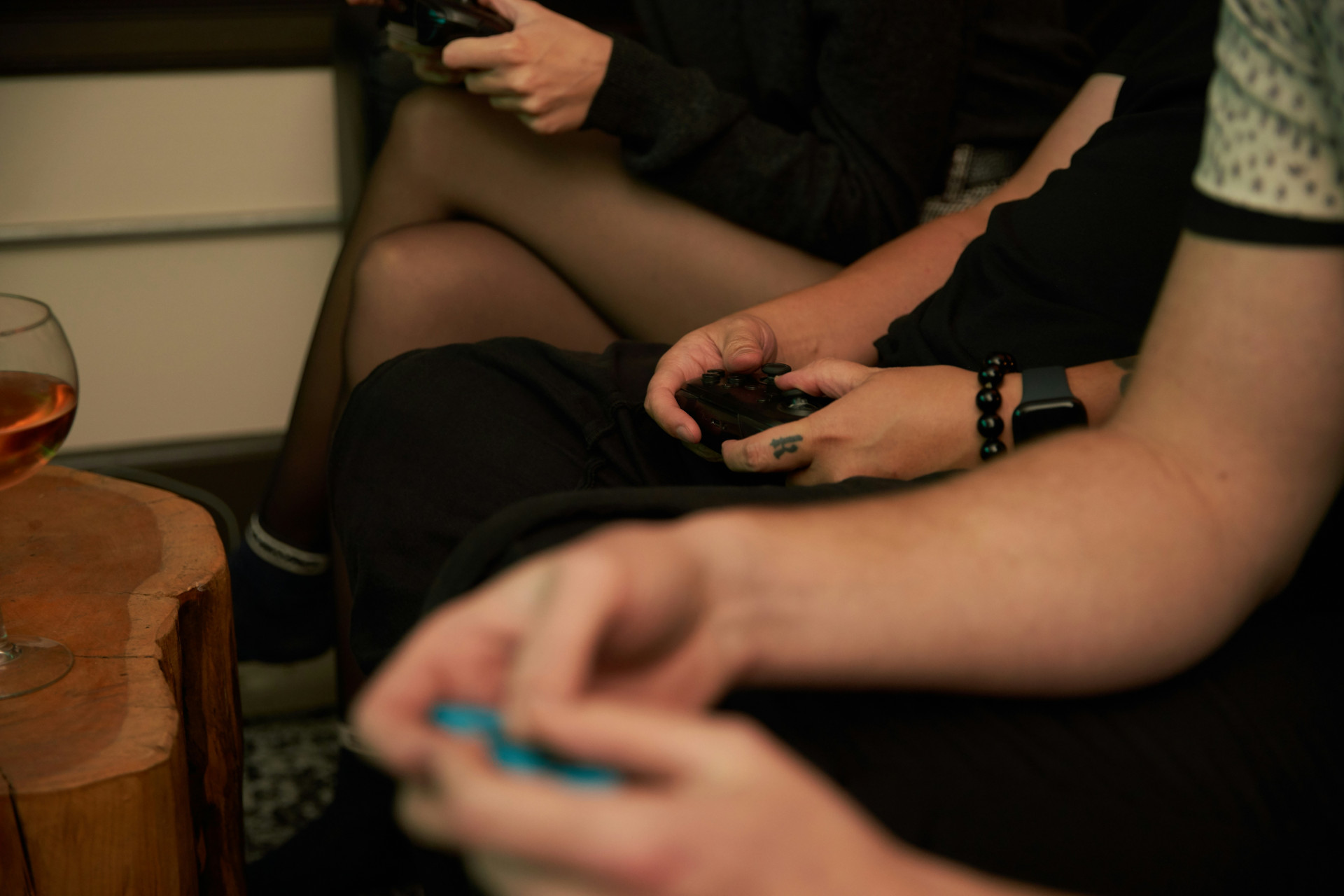
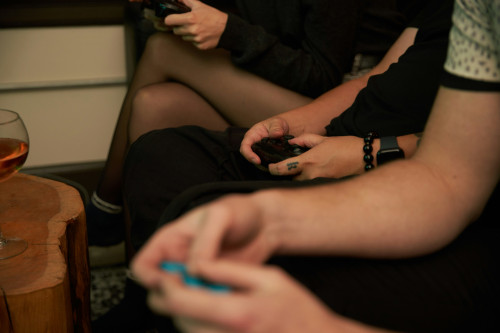
This evolution has turned gaming into a social activity comparable to sport or music. Players form clans, join tournaments, and build friendships that often extend beyond the screen. For many, it’s the sense of belonging that keeps them coming back.
Competition as a Driving Force
Competition lies at the heart of gaming culture. Leaderboards, tournaments, and esports allow players to measure themselves against others – from casual gamers to professionals. Platforms support this with systems that reward performance: points, badges, and trophies that provide a sense of progress and recognition.
But competition can also bring pressure. Some players experience stress or burnout when gaming becomes too serious. That’s why many platforms are working to create a balance where both competition and cooperation can thrive. Co-op modes, for example, encourage teamwork, while community events highlight positive interactions rather than just results.
The Many Faces of Community
Gaming communities come in all shapes and sizes. Some are small and close-knit – a group of friends who meet online regularly. Others are large, open networks with thousands of members sharing guides, memes, and experiences.
Platforms like Discord and Reddit have made it easy to build and maintain these communities. Players can discuss strategies, organise events, or simply chat about everyday life. For many, these spaces serve as a safe haven – a place to be themselves and connect with others who share their passion.
When Community Becomes Part of the Game
More and more developers are integrating social features directly into their games. Shared worlds in Minecraft, team-based play in Overwatch, or cooperative missions in Destiny 2 all make the community an essential part of the experience itself.
At the same time, streaming and content sharing on platforms like Twitch and YouTube have created a new kind of community between players and viewers. It’s not just about playing anymore – it’s about sharing the experience, cheering others on, and being part of something bigger.
Challenges: Toxicity and Exclusion
While gaming communities can be inclusive and supportive, challenges remain. Toxic behaviour, harassment, and exclusion are issues that many platforms continue to tackle. To create safer environments, companies have introduced moderation tools, reporting systems, and campaigns promoting respectful behaviour.
There’s also growing attention on diversity and inclusion. Initiatives across the UK and globally aim to make gaming more welcoming for women, LGBTQ+ players, and people with disabilities. A healthy community depends on everyone having the opportunity to participate on equal terms.
Læs også:

Gaming as a Social Experience
Ultimately, gaming is not just about winning – it’s about sharing experiences. Whether you play for fun, for friendship, or for competition, modern platforms offer a space where people connect across age, culture, and background.
It’s this blend of community and competition that makes gaming unique. It’s a place where you can challenge yourself, find support, and turn digital worlds into real relationships.
Læs også: