Identify bottlenecks before users notice them: Proactive IT monitoring in practice


Identify bottlenecks before users notice them: Proactive IT monitoring in practice
When a website slows down or a system suddenly crashes, users notice immediately. Yet, in most cases, the warning signs have been there for some time. Proactive IT monitoring is about detecting and resolving bottlenecks before they turn into real incidents. It requires the right tools, a clear strategy, and a culture that treats monitoring as part of everyday operations – not just emergency response.
From reactive to proactive operations
Traditionally, many IT teams have worked reactively: something breaks, and then it’s fixed. But as systems grow more complex and user expectations for uptime increase, that approach is no longer enough. A proactive mindset means continuously collecting data about system performance and acting on early warning signs.
These signs might include rising response times, unusually high CPU usage, or a database nearing capacity. By spotting patterns and anomalies early, teams can schedule maintenance before users experience any disruption.
What to monitor – and how
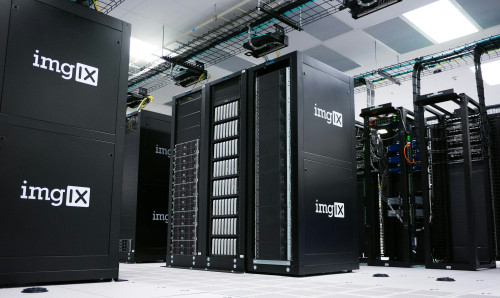
Proactive monitoring isn’t just about keeping an eye on servers. It’s about understanding the entire chain from user to backend. Effective monitoring should therefore cover several layers:
- Infrastructure – servers, networks, storage, and cloud resources. The goal is to ensure stability and capacity.
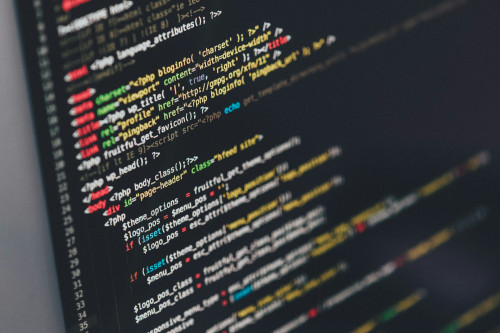
- Applications – response times, errors, and dependencies between systems. Even small code changes or integration issues can create bottlenecks.
- User experience – how does the end user perceive performance? Synthetic monitoring tools can simulate user behaviour and detect issues before they affect real users.
- Security – unexpected traffic, login attempts, or configuration changes can signal potential breaches.
Combining these layers provides a complete picture, enabling faster and more accurate responses.
Automation and intelligent alerts
One of the biggest challenges in monitoring is the sheer volume of data. If every event triggers an alert, teams quickly drown in noise. That’s why intelligent alerting and automation are essential.
Modern monitoring platforms can learn what “normal” looks like and only alert when something deviates significantly. Automated scripts can also perform standard actions – such as restarting a service or freeing up memory – without human intervention.
This frees up time for IT professionals to focus on complex issues where human judgement is still crucial.
From data to insight
Monitoring generates vast amounts of data, but data alone doesn’t create value – insight does. Monitoring should therefore be linked to reporting and analytics to reveal trends over time.
By visualising changes in load, response times, and error rates, teams can identify patterns that might otherwise go unnoticed. Perhaps a particular system always slows down on Monday mornings, or an integration fails after each update. This knowledge enables better planning, optimisation, and resource allocation.
Læs også:


Culture and collaboration
Technology alone isn’t enough. Proactive monitoring requires a culture where everyone sees it as a shared responsibility. Developers, operations teams, and business stakeholders must work together to define what’s critical and how success is measured.
When monitoring becomes an integral part of the development process – for example, through observability in DevOps – potential issues can be detected during testing rather than in production. This reduces the risk of outages and improves the quality of delivered solutions.
The benefits of staying ahead
The advantages of proactive monitoring are clear:
- Reduced downtime – issues are detected and resolved before they affect users.
- Improved user experience – faster systems and fewer interruptions.
- Efficient resource use – maintenance and upgrades can be planned rather than rushed.
- Enhanced security – irregularities are spotted early, allowing for swift action.
In short, proactive monitoring makes IT operations more stable, predictable, and value-driven.
An investment that pays off
Implementing proactive monitoring requires investment in both tools and skills. But the return – in fewer outages, happier users, and more efficient operations – usually far outweighs the cost.
In a time when digital services underpin almost every organisation, the question is no longer whether you can afford to monitor – but whether you can afford not to.
Læs også: